
Delving into Disease Awareness and Early Detection Strategies, this introduction immerses readers in a unique and compelling narrative. It provides a comprehensive overview of effective strategies, methods, and technologies aimed at enhancing disease awareness and early detection.
The following paragraphs will delve deeper into the importance of disease awareness, various early detection methods, screening programs, and the impact of technology in disease detection.
Disease Awareness Campaigns
Effective disease awareness campaigns play a crucial role in educating the public about different diseases, their symptoms, prevention methods, and available treatments. By increasing awareness, these campaigns aim to promote early detection, encourage healthy behaviors, and reduce the stigma associated with certain diseases.
Strategies for Raising Awareness
- Utilizing social media platforms to reach a broader audience and share educational materials about specific diseases.
- Collaborating with healthcare professionals, organizations, and influencers to amplify the campaign's message and credibility.
- Organizing community events, workshops, and seminars to engage directly with the public and provide them with accurate information.
- Creating visually appealing and easy-to-understand infographics, videos, and posters to convey key messages effectively.
- Incorporating personal stories and testimonials from individuals affected by the disease to humanize the campaign and create empathy.
Examples of Successful Campaigns
- The "Movember" campaign, which raises awareness about men's health issues, including prostate cancer and mental health. It encourages men to grow mustaches during November to start conversations and fundraise for research.
- The "Ice Bucket Challenge" for ALS awareness, where participants challenged each other to pour a bucket of ice water over their heads and donate to ALS research. This viral campaign significantly increased donations and public awareness.
Importance of Disease Awareness
Disease awareness is vital in public health as it empowers individuals to take control of their health, seek timely medical attention, and make informed decisions regarding prevention and treatment options. By educating the public, disease awareness campaigns can prevent the spread of diseases, reduce mortality rates, and improve overall community health outcomes.
Early Detection Methods
Early detection of diseases plays a crucial role in improving treatment outcomes and increasing the chances of successful recovery. By identifying diseases at an early stage, healthcare providers can intervene promptly and provide appropriate care to patients. This can lead to better management of the condition, reduced complications, and improved quality of life for individuals.
Let's explore some of the key methods used for early detection of diseases.
Screening Tests
Screening tests are commonly used to detect diseases in their early stages, even before symptoms appear. These tests are designed to identify risk factors or early signs of a particular condition, allowing healthcare providers to initiate treatment early on. Some examples of screening tests include mammograms for breast cancer, Pap smears for cervical cancer, and blood tests for diabetes.
Imaging Techniques
Imaging techniques such as X-rays, CT scans, MRIs, and ultrasounds are valuable tools for early disease detection. These non-invasive procedures allow healthcare providers to visualize internal organs and tissues, helping them identify abnormalities or irregularities that may indicate the presence of a disease.
Early detection through imaging techniques can facilitate timely intervention and treatment planning.
Genetic Testing
Genetic testing is used to identify variations in an individual's genes that may increase the risk of developing certain diseases. By analyzing a person's genetic makeup, healthcare providers can assess their susceptibility to inherited conditions and take preventive measures to reduce the likelihood of disease development.
Early detection through genetic testing enables personalized healthcare and targeted interventions.
Clinical Examinations
Clinical examinations involve physical assessments, medical history reviews, and laboratory tests to evaluate an individual's overall health status. These examinations help healthcare providers detect early warning signs of diseases, monitor changes in health parameters, and assess risk factors that may predispose a person to certain conditions.
Regular clinical examinations are essential for early disease detection and preventive healthcare.
Self-Examination and Awareness
Self-examination and awareness play a vital role in early disease detection, especially for conditions with visible symptoms or risk factors. Encouraging individuals to perform self-checks, monitor their health status, and seek medical attention if they notice any unusual changes can lead to early diagnosis and timely treatment.
Increasing awareness about the importance of early detection can empower individuals to take proactive steps towards maintaining their health.
Screening Programs
Regular screening programs play a crucial role in detecting diseases at an early stage, allowing for timely intervention and treatment. These programs are designed to identify individuals who may have a higher risk of developing certain conditions, even before symptoms appear.
Examples of Successful Disease Screening Programs
- The National Breast and Cervical Cancer Early Detection Program in the United States offers free or low-cost mammograms and Pap tests to women who are uninsured or underinsured, leading to early detection of breast and cervical cancer.
- The National Colorectal Cancer Roundtable's initiative to increase colorectal cancer screening rates has resulted in a significant decrease in mortality rates associated with the disease.
- The NHS Bowel Cancer Screening Program in the UK has successfully increased the early detection of bowel cancer through the use of fecal occult blood tests, leading to better treatment outcomes.
Challenges and Limitations of Implementing Screening Programs
- Low participation rates among the target population can hinder the effectiveness of screening programs, as individuals may be unaware of the importance of early detection or may face barriers such as cost or accessibility.
- Overdiagnosis and false positives are challenges associated with some screening tests, leading to unnecessary follow-up procedures and potential harm to individuals who do not have the disease.
- Resource constraints, including funding and healthcare infrastructure, can limit the scalability and reach of screening programs, particularly in low-resource settings or underserved communities.
Technology in Disease Detection
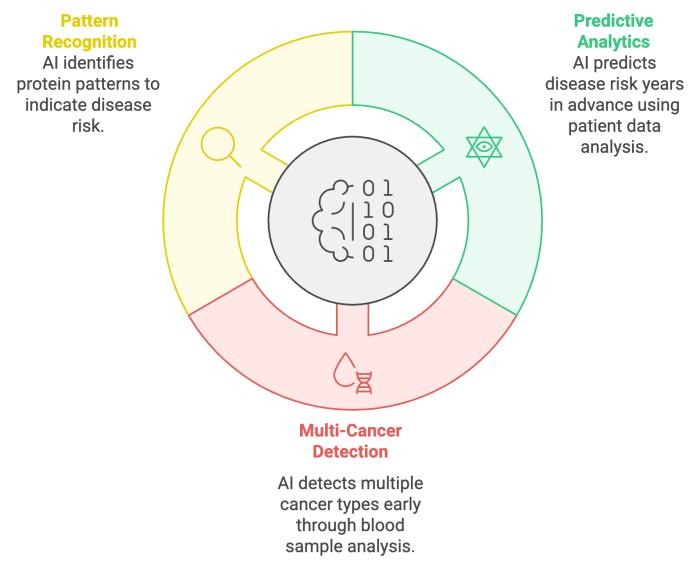
Technology has played a crucial role in revolutionizing disease detection, with advancements like AI and machine learning leading the way.
Innovative Technologies for Early Disease Detection
- AI-powered diagnostic tools: Artificial intelligence algorithms can analyze large amounts of medical data to detect patterns and anomalies that may indicate the presence of a disease at an early stage.
- Biosensors: These devices can detect specific biomarkers in bodily fluids or tissues, allowing for the early diagnosis of diseases such as cancer or diabetes.
- Remote monitoring devices: Wearable technology and smart devices enable continuous monitoring of vital signs and health parameters, providing real-time data for early detection of health issues.
Ethical Implications of Using Technology in Disease Detection
- Privacy concerns: The use of technology in disease detection raises questions about data privacy and patient confidentiality, especially when sensitive health information is involved.
- Accuracy and reliability: Ensuring the accuracy and reliability of AI algorithms and other technological tools is crucial to prevent misdiagnosis or false alarms that could lead to unnecessary stress and medical interventions.
- Equity and access: There are concerns about the equitable distribution of advanced technologies for disease detection, as not all populations may have equal access to these tools and services.
End of Discussion
In conclusion, Disease Awareness and Early Detection Strategies play a crucial role in promoting public health and improving treatment outcomes. By staying informed and proactive, individuals can contribute to a healthier society.
Frequently Asked Questions
What are some effective strategies for raising disease awareness?
Effective strategies include educational campaigns, community outreach programs, and partnerships with healthcare providers.
How does early detection improve treatment outcomes?
Early detection allows for timely intervention and treatment, leading to better outcomes and increased chances of successful recovery.
What are the challenges of implementing screening programs?
Challenges may include accessibility issues, cost constraints, and ensuring the accuracy and reliability of screening tests.