
Starting off with a focus on Physical Activity Programs for Community Health, this introduction aims to grab the attention of the audience with an intriguing overview.
The following paragraph will delve into the specifics of the topic, providing a comprehensive look at the importance and impact of such programs.
Importance of Physical Activity Programs for Community Health
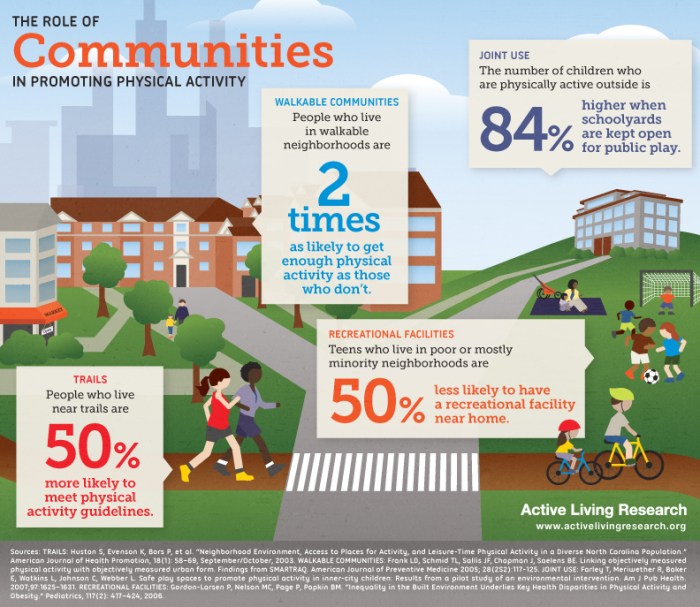
Regular physical activity plays a crucial role in improving the overall health and well-being of a community. Physical activity programs not only promote physical fitness but also have a positive impact on mental health, social interaction, and disease prevention.
Impact of Physical Activity Programs
Physical activity programs have been shown to reduce the risk of chronic diseases such as obesity, heart disease, and diabetes. By encouraging regular exercise, these programs help in maintaining a healthy weight, improving cardiovascular health, and boosting immune function.
Examples of Successful Programs
One successful physical activity program is the "Walk With a Doc" initiative, where healthcare professionals lead community members in walks to promote physical activity and educate about the benefits of exercise. Another example is the "Play Streets" program, which temporarily closes streets to vehicle traffic to create safe spaces for physical activity and play.
Benefits of Implementing Programs
- Improved physical fitness and overall health
- Enhanced mental well-being and reduced stress levels
- Increased social interaction and community cohesion
- Prevention of chronic diseases and reduced healthcare costs
- Promotion of a healthy lifestyle and habits for all ages
Designing Effective Physical Activity Programs
In order to create physical activity programs that are effective in promoting community health, it is essential to consider key components that will enhance engagement and participation. Tailoring these programs to meet the diverse needs of the community ensures inclusivity and accessibility for all individuals.
By incorporating a variety of activities, these programs can cater to different preferences and abilities, ultimately leading to better health outcomes for the community.
Key Components for Designing Effective Physical Activity Programs
- Assessment of Community Needs: Conduct surveys or assessments to understand the specific health needs and interests of the community.
- Goal Setting: Establish clear and measurable goals for the program to track progress and motivate participants.
- Qualified Instructors: Ensure that instructors are trained and knowledgeable in leading safe and effective physical activities.
- Accessible Locations: Choose venues that are easily accessible to community members, considering factors like proximity and transportation.
- Supportive Environment: Create a welcoming and inclusive atmosphere that encourages participation from individuals of all backgrounds.
Tailoring Programs to Meet Diverse Community Needs
- Adapted Activities: Offer a variety of activities that cater to different fitness levels and abilities, such as low-impact options for beginners or modifications for individuals with physical limitations.
- Cultural Relevance: Incorporate activities that reflect the cultural diversity of the community to ensure relevance and engagement among participants.
- Flexible Scheduling: Provide options for different time slots or frequency of sessions to accommodate varying schedules and commitments.
Examples of Activities to Promote Participation and Engagement
- Group Fitness Classes: Offer classes such as Zumba, yoga, or dance aerobics that appeal to a wide range of interests.
- Outdoor Recreation: Organize group hikes, bike rides, or community walks to encourage physical activity in a natural setting.
- Sports Leagues: Create opportunities for community members to participate in team sports like basketball, soccer, or volleyball for a fun and competitive outlet.
Promoting Community Engagement in Physical Activity Programs
Community engagement is crucial for the success of physical activity programs aimed at improving overall health and well-being. By involving the community, programs can be more inclusive, relevant, and sustainable.
Strategies to Encourage Community Involvement
There are several strategies that can be implemented to encourage community involvement in physical activity programs:
- Organize community events and fitness challenges to create a sense of camaraderie and motivation.
- Collaborate with local schools, businesses, and community centers to reach a wider audience.
- Offer diverse activities to cater to different interests and fitness levels within the community.
- Utilize social media and other communication channels to promote programs and engage with community members.
Importance of Collaboration with Local Organizations
Collaborating with local organizations is essential for promoting participation in physical activity programs:
- Local organizations can help with outreach and promotion, reaching individuals who may not be aware of the programs.
- Partnerships with local businesses can provide resources, funding, and venues for activities, making programs more accessible.
- Collaborating with schools and community centers can facilitate program implementation and sustainability.
Measuring and Tracking Community Engagement
It is important to measure and track community engagement to ensure the success and impact of physical activity programs:
- Use participant surveys and feedback forms to gather insights on community satisfaction and areas for improvement.
- Track attendance rates and participation levels to assess the reach and effectiveness of programs.
- Monitor social media engagement, website traffic, and other digital metrics to gauge community interest and involvement.
Overcoming Barriers to Participation
In order to encourage community members to participate in physical activity programs, it is crucial to address the common barriers that often deter them from engaging. By implementing strategies to overcome these obstacles, programs can become more inclusive and successful in promoting community health.
Lack of Time
One of the most prevalent barriers to participation in physical activity programs is the lack of time. Many community members struggle to find time in their busy schedules to commit to regular exercise. To address this, programs can offer flexible scheduling options, such as early morning or evening classes, to accommodate different lifestyles.
Financial Constraints
Financial constraints can also hinder participation in physical activity programs, as some community members may not be able to afford membership fees or equipment. To overcome this barrier, programs can provide low-cost or free options, partner with local organizations for funding, or offer scholarships to those in need.
Lack of Accessibility
Another common barrier is the lack of accessibility to facilities or programs, especially in underserved communities. By bringing physical activity programs directly to neighborhoods, offering transportation services, or ensuring facilities are ADA-compliant, programs can make it easier for all community members to participate.
Cultural Barriers
Cultural barriers, such as language differences or unfamiliarity with certain types of physical activities, can also prevent community members from engaging. Programs can address this by providing multilingual resources, culturally sensitive programming, and diverse activity options to cater to different preferences and backgrounds.
Successful Initiatives
- One successful initiative involved partnering with local schools to offer after-school physical activity programs, making it convenient for children to participate and involving families in the process.
- Another effective strategy was to create community walking groups, which not only promoted physical activity but also fostered social connections and support among participants.
- A program that provided free fitness classes in public parks saw a significant increase in participation, as it eliminated financial barriers and utilized accessible outdoor spaces.
Evaluating the Impact of Physical Activity Programs
When it comes to assessing the effectiveness of physical activity programs on community health, there are several methods that can be utilized to gather valuable insights.
Methods for Evaluating Effectiveness
- Surveys and Questionnaires: Gathering feedback from participants can provide information on their experiences, satisfaction levels, and perceived benefits of the program.
- Health Assessments: Conducting pre and post-program health assessments to track changes in physical fitness, weight, blood pressure, and other health indicators.
- Observational Studies: Observing participants during program activities to assess adherence, engagement, and overall impact on behavior and health outcomes.
Indicators to Measure Success
- Increased Physical Activity Levels: Monitoring the frequency, duration, and intensity of physical activity among participants before and after the program.
- Improvements in Health Parameters: Tracking changes in weight, BMI, blood sugar levels, cholesterol, and other relevant health markers.
- Community Engagement: Assessing the level of community involvement, attendance rates, and retention of participants over time.
Using Data for Program Improvement
- Identifying Strengths and Weaknesses: Analyzing evaluation data to identify areas of the program that are working well and those that may need improvement.
- Adapting Program Components: Using feedback and evaluation results to make adjustments to program structure, content, or delivery methods for better outcomes.
- Setting Goals for Future Programs: Establishing benchmarks based on evaluation findings to set goals for future programs and track progress over time.
Conclusive Thoughts
Concluding our discussion on Physical Activity Programs for Community Health, this final paragraph will wrap up the key points and leave readers with a memorable summary.
Q&A
What are the benefits of participating in physical activity programs for community health?
Engaging in physical activity programs can improve overall well-being, reduce the risk of chronic diseases, and enhance community connections.
How can physical activity programs be tailored to meet the diverse needs of the community?
Programs can be customized by offering a variety of activities, accommodating different fitness levels, and considering cultural preferences.
What are some common barriers to participation in physical activity programs, and how can they be addressed?
Barriers may include lack of access, time constraints, and cost. Strategies to overcome them include offering free classes, providing transportation, and creating inclusive spaces.
How can the effectiveness of physical activity programs on community health be evaluated?
Evaluation methods may include tracking participation rates, conducting surveys, and analyzing health outcomes to measure the impact of the programs.
Why is community engagement important in physical activity programs?
Community involvement fosters social support, increases program sustainability, and ensures that activities meet the needs and interests of the residents.