
Delving into the realm of Residential Mental Health Facilities for Long-Term Care uncovers a vital aspect of mental health services that often goes unnoticed. As we navigate through the intricacies of these facilities, a deeper understanding of how they contribute to long-term care emerges, shedding light on the importance of such establishments in our healthcare system.
Overview of Residential Mental Health Facilities for Long-Term Care
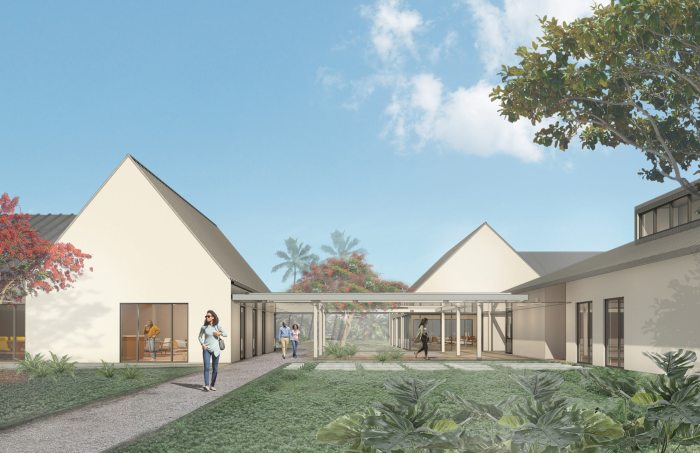
Residential mental health facilities are specialized facilities that provide long-term care for individuals with severe or persistent mental health conditions. These facilities offer a safe and structured environment where residents can receive comprehensive treatment and support to manage their mental health needs effectively.
Long-Term Care Services Offered
- 24/7 monitoring and supervision by trained staff to ensure the safety and well-being of residents.
- Individualized treatment plans tailored to meet the specific needs of each resident, including therapy sessions and medication management.
- Support with activities of daily living, such as meal preparation, personal hygiene, and medication reminders.
- Social activities and recreational programs to promote socialization and improve overall well-being.
- Access to a multidisciplinary team of mental health professionals, including psychiatrists, psychologists, and social workers.
Importance of Residential Mental Health Facilities
Residential mental health facilities play a crucial role in the mental health care system by providing a long-term solution for individuals with chronic mental health conditions. These facilities offer a supportive and therapeutic environment where residents can receive ongoing care and treatment to stabilize their symptoms and improve their quality of life.
By addressing the complex needs of individuals with severe mental health issues, residential facilities help reduce hospitalizations, improve overall functioning, and promote recovery and independence for residents.
Types of Residential Mental Health Facilities
There are various types of residential mental health facilities designed to cater to individuals with different mental health needs.
Assisted Living Facilities
Assisted living facilities are residential settings that provide support with daily activities such as meals, medication management, and personal care for individuals who may need assistance but do not require round-the-clock medical care. These facilities offer a more independent living environment while still providing necessary support.
Specialized Mental Health Care Facilities
Specialized mental health care facilities are designed to provide intensive, specialized care for individuals with severe mental health conditions. These facilities typically offer 24/7 medical supervision, therapy sessions, medication management, and structured programs tailored to address specific mental health needs.
They cater to individuals with conditions such as schizophrenia, bipolar disorder, or severe depression.
Benefits of Long-Term Care in Residential Mental Health Facilities
Receiving long-term care in a residential mental health facility offers numerous advantages for individuals struggling with mental health issues. The round-the-clock support and supervision provided in these facilities play a crucial role in improving mental health outcomes.
24/7 Support and Supervision
- Residents have access to trained professionals who can intervene in crisis situations promptly.
- Continuous monitoring ensures that individuals receive the necessary care and attention at all times.
- Having a support system available 24/7 creates a sense of security and stability for residents.
Structured Routines and Therapies
- Residential facilities offer structured daily routines that promote stability and consistency, which are essential for mental well-being.
- Therapeutic activities and sessions are integrated into the daily schedule to help residents develop coping skills and manage their symptoms effectively.
- Individualized treatment plans are tailored to each resident's specific needs, ensuring comprehensive care and support.
Treatment Approaches in Residential Mental Health Facilities
Residential mental health facilities offer a range of treatment modalities to address the unique needs of residents with mental health conditions. These treatment approaches are designed to provide comprehensive care and support for individuals requiring long-term care.
Medication Management
One common treatment approach in residential mental health facilities is medication management. This involves the prescription and monitoring of medications to help individuals manage their symptoms and improve their overall mental health.
Therapy Services
Therapy services, such as individual therapy, group therapy, and family therapy, are often offered in residential mental health facilities. These therapeutic interventions aim to help residents address underlying issues, develop coping skills, and enhance their emotional well-being.
Behavioral Interventions
Behavioral interventions, including cognitive-behavioral therapy (CBT) and dialectical behavior therapy (DBT), are utilized to help residents modify their thoughts and behaviors, leading to positive changes in their mental health. These evidence-based approaches are tailored to meet the specific needs of each individual.
Holistic Approaches
Residential mental health facilities may also incorporate holistic approaches, such as yoga, mindfulness practices, art therapy, and equine therapy, to promote overall wellness and healing. These complementary therapies can complement traditional treatment methods and enhance the overall treatment experience for residents.
Multidisciplinary Team Approach
A key component of effective treatment in residential mental health facilities is the multidisciplinary team approach. This approach involves a team of healthcare professionals, including psychiatrists, psychologists, social workers, nurses, and other specialists, working collaboratively to develop and implement personalized treatment plans for residents.
By combining their expertise and perspectives, the multidisciplinary team can provide comprehensive and holistic care to support the diverse needs of individuals with mental health conditions.
Admission Process and Criteria for Residential Mental Health Facilities
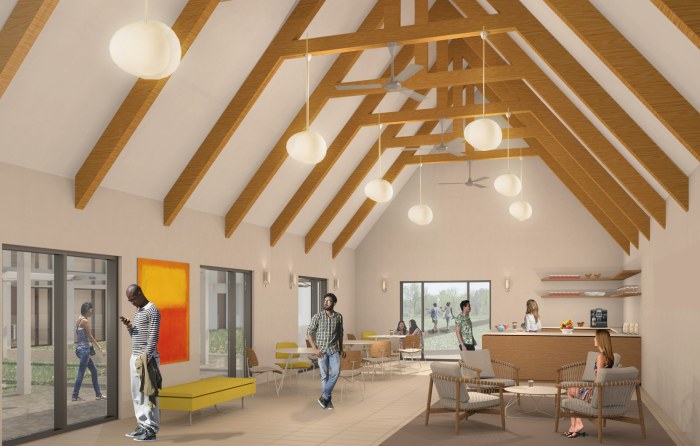
When individuals seek long-term care in residential mental health facilities, they must go through a structured admission process to ensure they receive appropriate care and support. This process involves various assessments and evaluations to determine the eligibility of the individual for admission.
Admission Process
Typically, the admission process for residential mental health facilities involves the following steps:
- Initial assessment: The individual undergoes an initial assessment to determine their mental health needs and the level of care required.
- Medical evaluation: A medical evaluation is conducted to assess the individual's physical health and any potential medical conditions that may impact their mental health treatment.
- Psychosocial assessment: A psychosocial assessment helps identify the individual's social and emotional needs, as well as any support systems or resources available to them.
- Financial evaluation: Financial evaluations are often required to determine how the individual will pay for their care and whether they are eligible for financial assistance or insurance coverage.
- Consultation with a psychiatrist: A consultation with a psychiatrist is usually conducted to confirm the diagnosis, discuss treatment options, and develop a personalized care plan.
Criteria for Admission
Eligibility for admission to residential mental health facilities is typically based on the following criteria:
- Diagnosis: Individuals must have a diagnosed mental health condition that requires long-term care and treatment.
- Risk assessment: The individual's level of risk to themselves or others is evaluated to determine if they require a secure and supportive environment.
- Ability to benefit: The individual must demonstrate the ability to benefit from the services offered at the facility and engage in treatment.
- Stability: Individuals must be stable enough to participate in the program and not require immediate crisis intervention.
- Consent: Informed consent is required from the individual or their legal guardian to proceed with admission and treatment.
Assessments and evaluations play a crucial role in the admission process by ensuring that individuals receive the appropriate level of care and support tailored to their specific needs.
Final Summary
In conclusion, Residential Mental Health Facilities for Long-Term Care play a crucial role in providing specialized, round-the-clock support for individuals with varying mental health needs. By offering tailored treatment approaches and a structured environment, these facilities aim to enhance mental health outcomes and improve overall well-being.
FAQ Compilation
What types of services are offered in Residential Mental Health Facilities for long-term care?
Services can range from therapy sessions and medication management to recreational activities and daily living assistance.
How do I know if I or a loved one is eligible for admission to a Residential Mental Health Facility?
Eligibility is typically determined through assessments conducted by the facility's staff, considering the individual's mental health needs and care requirements.
What sets apart specialized mental health care facilities from assisted living facilities?
Specialized mental health care facilities offer more intensive treatment and support tailored specifically to mental health conditions, while assisted living facilities focus more on daily living assistance for seniors.