
Clinical Mental Health Counseling Methods Explained sets the stage for this enthralling narrative, offering readers a glimpse into a story that is rich in detail and brimming with originality from the outset. From common methods to ethical considerations, this guide covers it all with clarity and insight.
Overview of Clinical Mental Health Counseling
Clinical Mental Health Counseling is a specialized field in counseling that focuses on helping individuals cope with emotional, psychological, and behavioral issues. Counselors in this field are trained to provide therapy, support, and guidance to clients dealing with a wide range of mental health concerns.Clinical Mental Health Counseling is crucial in today's society as it addresses the growing need for mental health support.
With the increasing awareness of mental health issues and the stigma surrounding them decreasing, more individuals are seeking help from mental health professionals. Clinical Mental Health Counseling plays a vital role in providing effective interventions and treatment to those in need.The goals and objectives of Clinical Mental Health Counseling include promoting mental wellness, enhancing coping skills, improving communication and interpersonal relationships, and facilitating personal growth and development.
Counselors work collaboratively with clients to identify and address their concerns, develop coping strategies, and work towards achieving emotional well-being and overall mental health.
Common Methods and Techniques Used
When it comes to clinical mental health counseling, various methods and techniques are utilized to help individuals overcome challenges and improve their well-being.
Cognitive-Behavioral Therapy (CBT)
Cognitive-Behavioral Therapy is a widely used approach that focuses on identifying and changing negative thought patterns and behaviors that contribute to mental health issues. Through CBT, clients learn to replace harmful thoughts with positive ones and develop healthier coping strategies.
Mindfulness
Mindfulness techniques involve being present in the moment, paying attention to thoughts and feelings without judgment. This practice can help individuals manage stress, anxiety, and depression by increasing self-awareness and promoting relaxation.
Eye Movement Desensitization and Reprocessing (EMDR)
EMDR is a therapy approach often used to treat trauma and PTSD. It involves using bilateral stimulation, such as eye movements or taps, to help individuals process traumatic memories and reduce distress associated with past experiences.
Interpersonal Therapy (IPT)
Interpersonal Therapy focuses on improving communication and relationships to alleviate symptoms of depression and other mental health issues. By addressing interpersonal conflicts and enhancing social support, clients can experience emotional relief and improved well-being.
Dialectical Behavior Therapy (DBT)
DBT combines cognitive-behavioral techniques with mindfulness practices to help individuals regulate emotions, improve interpersonal skills, and cope with distress. It is particularly effective in treating borderline personality disorder and suicidal behaviors.
Individual vs. Group Counseling
Individual counseling and group counseling are two common approaches used in clinical mental health settings to provide therapy and support to clients.
Benefits and Challenges of Individual Counseling
Individual counseling involves one-on-one sessions between the client and the counselor. This approach allows for personalized attention, tailored interventions, and a focus on the specific needs of the individual. The benefits of individual counseling include a safe space for self-exploration, confidentiality, and a strong therapeutic alliance between the client and counselor.
However, individual counseling also has its challenges. Some individuals may feel isolated or overwhelmed by the intense focus on their personal issues. Additionally, progress in individual counseling may take longer compared to group counseling due to the lack of peer support and shared experiences.
Enhancing Therapeutic Process with Group Counseling
Group counseling involves a small group of individuals who meet regularly to discuss their concerns, share experiences, and support each other under the guidance of a trained counselor. Group counseling can enhance the therapeutic process for certain mental health concerns by providing a sense of community, reducing feelings of isolation, and offering diverse perspectives and feedback from peers.Moreover, group counseling can help individuals develop interpersonal skills, improve communication, and build a support network outside of therapy sessions.
The group dynamic creates a space for mutual understanding, empathy, and validation, fostering personal growth and emotional healing in a collaborative environment.
Assessment and Diagnosis in Clinical Mental Health Counseling
Assessment and diagnosis are crucial components of the clinical mental health counseling process as they help counselors understand clients' unique needs and develop effective treatment plans tailored to their specific issues.Accurate diagnosis is essential for effective treatment planning in clinical mental health counseling.
It allows counselors to identify the underlying causes of clients' symptoms, determine the most appropriate interventions, and track progress throughout the counseling process. Without a precise diagnosis, treatment may be ineffective or even harmful to the client.
Standardized Assessments and Tools
In clinical mental health counseling, standardized assessments and tools are commonly used to gather information about clients' symptoms, behaviors, emotions, and cognitive processes. These assessments provide objective data that can help counselors make informed decisions about diagnosis and treatment. Some examples of standardized assessments used in clinical mental health counseling include the Beck Depression Inventory, the State-Trait Anxiety Inventory, and the MMPI-2 (Minnesota Multiphasic Personality Inventory)
This information is essential for developing accurate diagnoses and creating effective treatment plans that address clients' specific needs.
Ethical Considerations in Clinical Mental Health Counseling
In the field of clinical mental health counseling, ethical guidelines play a crucial role in ensuring the well-being and rights of clients are protected. Counselors must adhere to a strict code of ethics to maintain professionalism and trust in their practice.Confidentiality, boundaries, and informed consent are key components of ethical practice in counseling sessions.
Confidentiality ensures that information shared by the client remains private unless there is a risk of harm to the client or others. Boundaries help maintain a professional relationship between the counselor and client, preventing any form of exploitation or dual relationships.
Informed consent involves providing clients with relevant information about the counseling process, including goals, techniques, and potential risks.
Examples of Ethical Dilemmas in Clinical Mental Health Counseling
- Confidentiality: A client discloses information about potential harm to themselves or others. The counselor must weigh the duty to protect the client's confidentiality against the duty to warn and protect others.
- Boundaries: A client develops romantic feelings towards the counselor. The counselor must establish clear boundaries to maintain a professional relationship and address the client's feelings appropriately.
- Informed Consent: A client with limited capacity to make decisions is unsure about the counseling process. The counselor must ensure the client understands the implications of counseling and provide support in decision-making.
Cultural Competence and Diversity in Counseling
Cultural competence plays a crucial role in Clinical Mental Health Counseling as it ensures that counselors can effectively work with clients from diverse cultural backgrounds.
The Importance of Cultural Competence
Counselors must recognize and respect the cultural differences that exist among individuals to provide appropriate and effective mental health services.
Addressing Diversity and Cultural Differences
- Engage in ongoing education and training to increase awareness of diverse cultures and their unique values and beliefs.
- Develop a genuine curiosity and willingness to learn about your clients' cultural backgrounds.
- Be open-minded and nonjudgmental when exploring cultural differences in counseling sessions.
Promoting Inclusivity and Respect
Strategies for promoting inclusivity and respect for diverse backgrounds in counseling sessions include:
- Creating a safe and welcoming environment where clients feel respected and understood.
- Using inclusive language and avoiding assumptions based on cultural stereotypes.
- Collaborating with clients to integrate their cultural values and beliefs into the counseling process.
Conclusion
In conclusion, Clinical Mental Health Counseling Methods Explained delves deep into the intricate world of counseling, shedding light on its various aspects and practices. It serves as a valuable resource for both professionals and individuals seeking to understand the complexities of mental health counseling methods.
FAQ Explained
What are the key goals of Clinical Mental Health Counseling?
The key goals include promoting mental health wellness, providing support in times of crisis, and helping individuals develop coping strategies for better mental health.
How do counselors address cultural diversity in their practice?
Counselors address cultural diversity by being aware of their own biases, seeking education on different cultures, and adapting counseling approaches to meet the needs of diverse clients.
What are some examples of evidence-based practices in Clinical Mental Health Counseling?
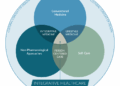
Evidence-based practices include cognitive-behavioral therapy (CBT), dialectical behavior therapy (DBT), and acceptance and commitment therapy (ACT).