
Embark on a journey into the world of Inpatient Wellness Center Treatment Planning, where structure and personalized care converge to enhance patient outcomes and overall well-being. This discussion delves into the key components, best practices, and evaluation methods essential for creating successful treatment plans in healthcare settings.
Importance of Inpatient Wellness Center Treatment Planning
Having a structured treatment plan in an inpatient wellness center is crucial for ensuring that patients receive comprehensive and effective care tailored to their specific needs. Treatment planning serves as a roadmap for both healthcare providers and patients, outlining the steps and interventions needed to promote recovery and overall well-being.
Optimizing Patient Outcomes
Treatment planning plays a key role in optimizing patient outcomes by providing a clear framework for addressing all aspects of a patient's physical, mental, and emotional health. By carefully assessing the individual's condition and developing a customized plan, healthcare professionals can ensure that each treatment modality is aligned with the patient's goals and preferences.
This personalized approach increases the likelihood of successful outcomes and promotes better overall health and quality of life.
Enhancing the Wellness Center Experience
Effective treatment planning not only benefits patients but also enhances the overall wellness center experience. By streamlining communication and coordination among healthcare providers, treatment planning helps create a cohesive and collaborative environment focused on patient care. This can lead to improved efficiency, reduced errors, and ultimately a more positive and supportive experience for patients undergoing treatment at the wellness center.
Components of an Effective Treatment Plan
An effective treatment plan is crucial in guiding the care and support provided to individuals seeking help at an inpatient wellness center. It serves as a roadmap for healthcare professionals to address the specific needs of each patient and work towards their recovery goals.
Key Elements of a Treatment Plan
- Assessment of the patient's condition and needs
- Clear and measurable goals for treatment
- Specific interventions and therapies tailored to the individual
- Timelines for achieving milestones and evaluating progress
- Strategies for managing potential setbacks or relapses
Role of Personalized Care in Treatment Planning
Personalized care is essential in treatment planning as it recognizes that each individual has unique circumstances, preferences, and challenges. By tailoring interventions to the specific needs of the patient, healthcare professionals can increase the effectiveness of treatment and enhance the overall experience for the individual.
Collaboration Among Healthcare Professionals
Effective treatment planning requires collaboration among healthcare professionals, including doctors, therapists, nurses, and support staff. By working together and sharing expertise, these professionals can ensure that the treatment plan is comprehensive, cohesive, and addresses all aspects of the individual's well-being.
This multidisciplinary approach enhances the quality of care and improves outcomes for patients.
Best Practices for Developing Treatment Plans
Developing effective treatment plans in an inpatient wellness center requires a thoughtful approach that considers the individual needs of each patient. By tailoring treatment plans to address specific challenges, setting achievable goals, and incorporating evidence-based practices, healthcare professionals can optimize patient outcomes and promote long-term wellness.
Assessing Patient Needs
Before creating a treatment plan, it is essential to conduct a comprehensive assessment of the patient's physical, emotional, and psychological needs. This involves gathering information about the patient's medical history, current symptoms, and personal goals. By understanding the unique challenges faced by each individual, healthcare providers can develop a tailored treatment plan that addresses the root causes of their condition.
Setting Achievable Goals
Setting realistic and achievable goals is crucial in treatment planning. Goals should be specific, measurable, attainable, relevant, and time-bound (SMART). By establishing clear objectives, patients can track their progress, stay motivated, and celebrate their achievements along the way. This approach helps to promote a sense of accomplishment and empowerment, leading to better treatment outcomes.
Incorporating Evidence-Based Practices
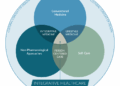
Integrating evidence-based practices into treatment plans ensures that patients receive the most effective and scientifically validated interventions. Healthcare providers should stay up-to-date on the latest research and clinical guidelines to inform their decision-making process. By incorporating evidence-based practices, treatment plans can be tailored to each patient's unique needs, increasing the likelihood of successful outcomes and long-term recovery.
Evaluating the Success of Treatment Plans
Monitoring and evaluating the effectiveness of treatment plans is crucial in ensuring that patients receive the best care possible. By assessing the outcomes of the treatment, healthcare providers can make necessary adjustments to improve the patient's overall well-being.
Methods for Monitoring and Evaluating Treatment Plans
- Regular Progress Assessments: Healthcare providers can track the progress of the patient by regularly evaluating their physical, mental, and emotional well-being.
- Outcome Measures: Using standardized outcome measures to assess the effectiveness of the treatment plan and compare it to established benchmarks.
- Feedback: Gathering feedback from the patient and their caregivers to understand their perspective on the treatment and make adjustments accordingly.
Feedback from Patients and Healthcare Providers
- Patients: Patients can provide valuable insights into how they are responding to the treatment, any side effects they may be experiencing, and their overall satisfaction with the care they are receiving.
- Healthcare Providers: Healthcare providers can offer their professional assessment of the patient's progress, identify any areas of concern, and collaborate with the patient to make necessary changes to the treatment plan.
Examples of Outcome Measures
- Reduction in Symptoms: Monitoring the reduction of symptoms related to the patient's condition, such as pain levels, anxiety, or depressive symptoms.
- Improved Functioning: Assessing the patient's ability to perform daily activities and tasks, indicating an improvement in their overall functioning.
- Patient Satisfaction: Measuring the patient's satisfaction with the treatment plan and their perceived quality of care received.
End of Discussion
In conclusion, Inpatient Wellness Center Treatment Planning is a vital aspect of healthcare delivery that ensures individualized care and optimal results. By implementing evidence-based practices and fostering collaboration among healthcare professionals, treatment plans can be tailored to meet patient needs effectively.
Frequently Asked Questions
What is the importance of having a structured treatment plan?
Having a structured treatment plan ensures that healthcare providers have a clear roadmap to follow, leading to more efficient care and improved patient outcomes.
How can treatment planning optimize patient outcomes?
Treatment planning allows for personalized care tailored to individual needs, increasing the likelihood of successful treatment and recovery.
What are some strategies for assessing patient needs in treatment planning?
Strategies include conducting thorough evaluations, considering patient preferences, and involving patients in decision-making processes.
How can feedback from patients and healthcare providers inform adjustments to treatment plans?
Feedback helps identify areas for improvement, allowing for modifications to treatment plans to better meet the needs of patients.
What are some common outcome measures used to assess the success of treatment plans?
Outcome measures may include patient satisfaction surveys, symptom improvement assessments, and overall quality of life evaluations.