

Delving into the realm of Weight Loss Medication and Metabolic Health, readers are invited to discover a comprehensive look at how these two aspects intertwine to shape our well-being. Through this exploration, a deeper understanding emerges, shedding light on the intricate relationship between weight loss medication and metabolic health.
Types of Weight Loss Medication
Weight loss medication can be classified into several categories based on their mechanisms of action and effects on the body. Each type of medication works in a different way to aid in weight loss and may have varying levels of effectiveness and side effects.
Appetite Suppressants
Appetite suppressants are medications that work by reducing feelings of hunger, making it easier for individuals to consume fewer calories. These medications target the appetite-regulating centers in the brain, such as the hypothalamus, to decrease food intake. Common appetite suppressants include phentermine, diethylpropion, and lorcaserin.
While effective in reducing appetite, these medications may cause side effects such as dry mouth, insomnia, and increased heart rate.
Fat Absorption Inhibitors
Fat absorption inhibitors, such as orlistat, work by blocking the absorption of dietary fats in the intestines. This leads to reduced calorie intake and can help with weight loss. Orlistat is available over-the-counter and by prescription. Side effects of fat absorption inhibitors may include oily stools, flatulence, and abdominal pain.
Metabolic Boosters
Metabolic boosters, like phentermine-topiramate, work by increasing metabolism and energy expenditure in the body. These medications can help individuals burn more calories at rest and during physical activity. However, they may also come with side effects such as insomnia, increased heart rate, and dry mouth.
Combination Medications
Combination medications, such as bupropion-naltrexone, combine different mechanisms of action to target weight loss from multiple angles. These medications may work by reducing appetite, increasing metabolism, and altering the reward system in the brain related to food intake. Side effects of combination medications can vary depending on the specific components.
Medical Devices
In addition to medications, there are also medical devices approved for weight loss, such as gastric balloons and vagal nerve stimulators. These devices work by physically altering the digestive system or signaling pathways related to appetite and metabolism. Side effects of medical devices may include nausea, vomiting, and device-related complications.
Impact on Metabolic Health
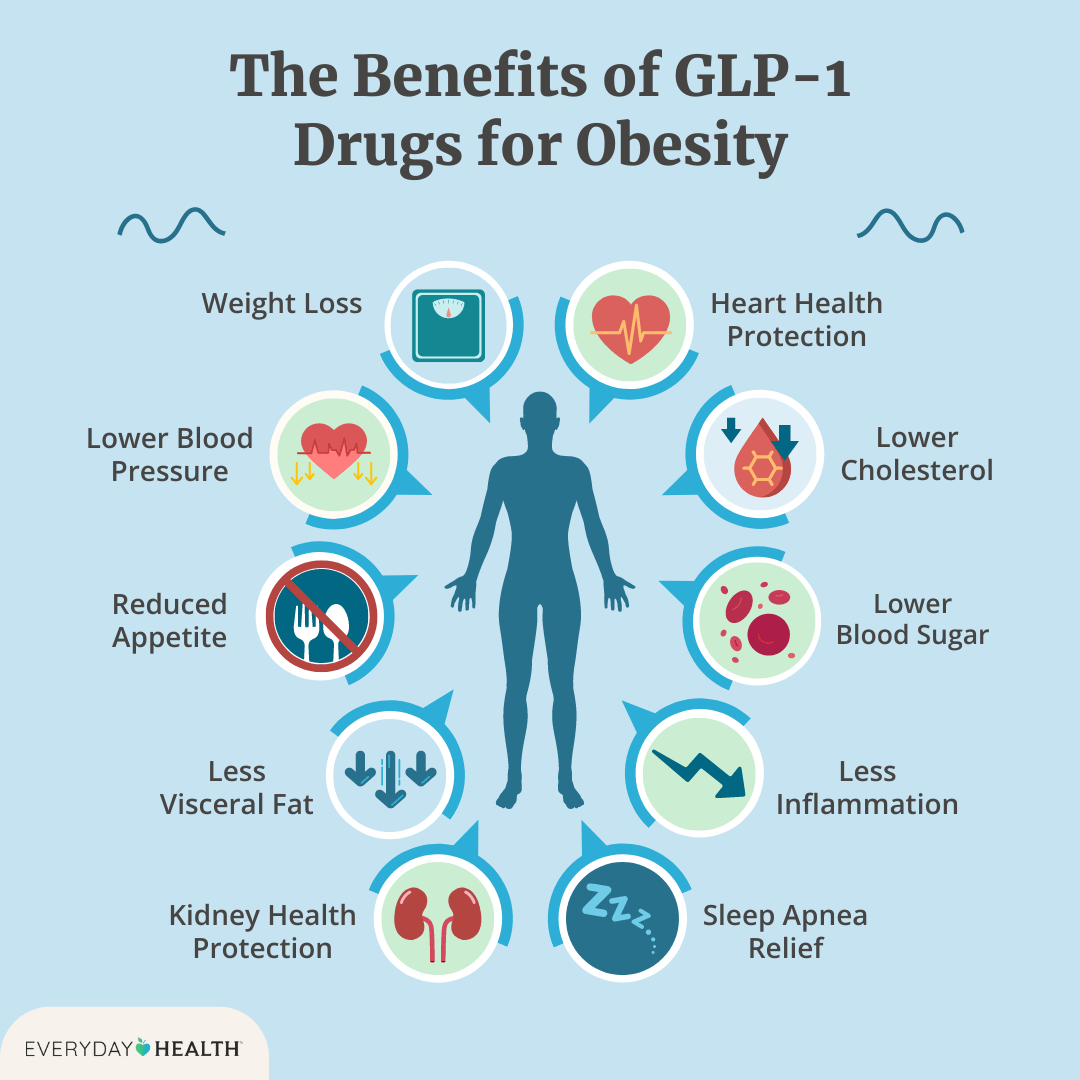
Weight loss medication plays a crucial role in improving metabolic health by aiding in weight reduction and potentially enhancing metabolic rate. These medications are designed to target specific pathways in the body to promote fat loss and improve overall metabolic function.
Relationship between Weight Loss Medication and Metabolic Rate
- Weight loss medication can help increase metabolic rate, which is the rate at which the body burns calories for energy.
- By boosting metabolism, these medications can lead to more efficient calorie burning, making it easier to achieve weight loss goals.
- Some weight loss medications work by suppressing appetite, leading to reduced calorie intake and further supporting metabolic health.
Long-term Effects of Weight Loss Medication on Metabolic Health
- Long-term use of weight loss medication can have both positive and negative effects on metabolic health.
- Positive effects may include sustained weight loss, improved insulin sensitivity, and better overall metabolic function.
- However, there may be potential negative effects such as tolerance to the medication, rebound weight gain, or metabolic adaptation over time.
- It is essential to monitor metabolic health regularly while using weight loss medication to address any potential issues that may arise.
Combination Therapies
Combining weight loss medication with lifestyle changes can be a powerful approach to improving metabolic health. These combination therapies often produce more significant and sustainable results compared to using either method alone.
Successful Combination Therapies
One successful combination therapy involves the use of prescription weight loss medication along with regular exercise and a balanced diet. This approach not only helps in shedding excess weight but also improves overall metabolic health by enhancing insulin sensitivity and reducing inflammation.
- Another effective combination therapy is the integration of weight loss medication with behavioral therapy and counseling. This comprehensive approach addresses both the physical and psychological aspects of weight management, leading to better long-term outcomes.
- Combining weight loss medication with bariatric surgery has shown promising results in significantly reducing body weight and improving metabolic parameters such as blood sugar levels and cholesterol profiles. This synergistic approach is particularly beneficial for individuals with severe obesity or metabolic disorders.
Synergy between Weight Loss Medication and Other Interventions
Weight loss medication can complement other interventions such as dietary modifications, physical activity, and behavioral therapy by accelerating the weight loss process and helping individuals overcome barriers to lifestyle changes. The combination of these strategies creates a holistic approach to metabolic health, addressing multiple factors that contribute to obesity and related conditions.
Safety and Risks
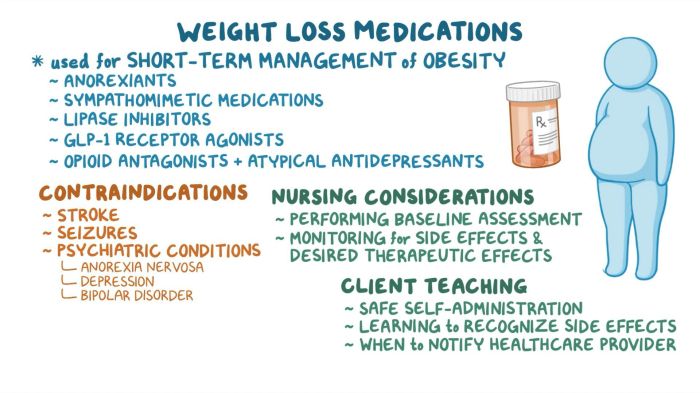
Weight loss medication can offer benefits for metabolic health, but it is essential to be aware of the potential risks and side effects associated with these treatments. Some common risks include:
Potential Risks and Side Effects
- Increased heart rate and blood pressure: Some weight loss medications can lead to elevated heart rate and blood pressure, which may pose risks for individuals with cardiovascular issues.
- Gastrointestinal issues: Side effects such as diarrhea, constipation, or abdominal pain are not uncommon with weight loss medications.
- Insomnia or sleep disturbances: Stimulant-based weight loss medications can interfere with sleep patterns and cause insomnia.
- Mood changes: Some individuals may experience mood swings, anxiety, or depression while taking weight loss medications.
It is crucial to mitigate these risks when using weight loss medication for metabolic health. To do so, individuals should:
Mitigating Risks
- Consult a healthcare professional: Before starting any weight loss medication regimen, it is important to seek guidance from a healthcare provider who can assess your overall health and recommend the most suitable treatment.
- Monitor side effects: Keep track of any side effects you experience while taking weight loss medication and report them to your healthcare provider promptly.
- Follow dosage instructions: Adhering to the prescribed dosage of weight loss medication is crucial to minimize the risk of adverse effects.
- Regular check-ups: Schedule regular follow-up appointments with your healthcare provider to monitor your progress and address any concerns or side effects.
Consulting healthcare professionals before starting any weight loss medication regimen is paramount. Healthcare providers can offer personalized guidance based on your medical history, current health status, and weight loss goals, ensuring a safe and effective treatment plan tailored to your specific needs.
Remember, your health and well-being should always be the top priority when considering weight loss medication for metabolic health.
Final Wrap-Up
In conclusion, the discussion on Weight Loss Medication and Metabolic Health unravels a tapestry of insights, showcasing the importance of informed decisions and holistic approaches in achieving overall health and wellness. As we navigate the complexities of these topics, it becomes evident that a balanced combination of medication, lifestyle changes, and professional guidance is key to optimizing metabolic health and sustainable weight management.
FAQ Resource
What are the common types of weight loss medications available?
Common types include appetite suppressants, fat absorption inhibitors, and metabolism boosters.
How does weight loss medication impact metabolic health?
Weight loss medication can improve metabolic rate, regulate blood sugar levels, and enhance overall metabolic function.
Are there any long-term effects of weight loss medication on metabolic health?
Long-term effects may include metabolic adaptation, changes in hormone levels, and potential impact on organ function.
What are the safety considerations when using weight loss medication?
It's important to be aware of potential risks like cardiovascular issues, digestive problems, and interactions with other medications. Consultation with healthcare professionals is crucial.