
Embark on a journey delving into the realm of Well B Lifestyle Programs and Health Outcomes, where a tapestry of wellness and vitality unfolds before you.
In this exploration, we will uncover the essence of lifestyle programs and their profound impact on health and overall well-being.
Understanding Well B Lifestyle Programs
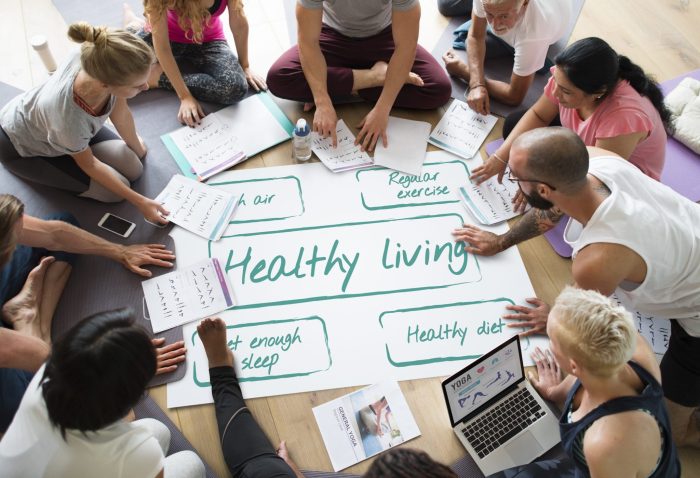
Well B Lifestyle Programs focus on promoting overall health and well-being through a holistic approach that encompasses various aspects of an individual's lifestyle. These programs aim to educate, support, and empower individuals to make positive changes in their daily habits and behaviors to improve their quality of life.
Examples of Activities in Well B Lifestyle Programs:
- Regular physical exercise routines tailored to individual needs and preferences.
- Nutritional counseling and education on healthy eating habits.
- Stress management techniques such as mindfulness meditation or yoga.
- Sleep hygiene practices to improve the quality of sleep.
- Support groups or community-based activities to foster social connections and emotional well-being.
Importance of Lifestyle Programs in Health Promotion:
Well B Lifestyle Programs play a crucial role in preventing chronic diseases, managing existing health conditions, and enhancing overall well-being. By focusing on holistic lifestyle changes, these programs address the root causes of health issues and empower individuals to take control of their health through sustainable practices.
Differences from Traditional Health Interventions:
Unlike traditional health interventions that often focus on treating specific symptoms or conditions, Well B Lifestyle Programs emphasize preventive measures, long-term behavior modifications, and personalized approaches to health management. By addressing lifestyle factors that contribute to health outcomes, these programs aim to create lasting changes that promote overall wellness and quality of life.
Impact of Well B Lifestyle Programs on Health Outcomes
Participating in Well B Lifestyle Programs can have a significant impact on overall health outcomes. These programs are designed to promote healthy behaviors and habits that can lead to improved well-being. Research has shown that individuals who engage in these programs experience a variety of health benefits compared to those who do not participate.
Potential Health Benefits
- Weight management: Well B Lifestyle Programs often include guidance on nutrition and physical activity, which can help individuals maintain a healthy weight.
- Improved blood pressure: By adopting healthier lifestyle choices, such as reducing salt intake and increasing physical activity, participants may see a decrease in blood pressure levels.
- Enhanced mental well-being: Engaging in activities like mindfulness practices and stress management techniques can positively impact mental health and overall well-being.
Designing Effective Well B Lifestyle Programs
When designing Well B Lifestyle Programs, there are several key considerations that need to be taken into account to ensure their effectiveness in promoting health and well-being. These programs should be carefully crafted to address the specific needs and preferences of the target audience, making them engaging and sustainable in the long run.
Key Considerations for Designing Well B Lifestyle Programs:
- Identify the target population: Understanding the demographic, cultural, and lifestyle characteristics of the target population is crucial for designing a program that resonates with their needs.
- Set clear goals and objectives: Clearly defined goals help in measuring the success of the program and provide a roadmap for participants to follow.
- Offer a variety of activities: Incorporating a mix of physical, mental, and social activities keeps participants engaged and motivated to continue with the program.
- Provide ongoing support: Continuous support through coaching, counseling, or peer groups can help individuals stay on track and make lasting lifestyle changes.
Creating Engaging and Sustainable Lifestyle Interventions:
- Use behavior change techniques: Employ strategies like goal setting, self-monitoring, and feedback to encourage participants to adopt healthier habits.
- Promote social interaction: Building a sense of community and support among participants can enhance engagement and accountability.
- Celebrate successes: Recognizing and rewarding achievements, no matter how small, can boost motivation and commitment to the program.
Role of Personalized Approaches in Optimizing Effectiveness:
Personalization plays a crucial role in tailoring interventions to individual needs and preferences. By understanding the unique circumstances of each participant, programs can be customized to increase relevance and effectiveness in achieving health outcomes.
Integration of Technology and Digital Tools:
- Utilize mobile apps and wearable devices: Technology can help track progress, provide feedback, and offer virtual support to participants anytime, anywhere.
- Virtual coaching and telemedicine: Remote access to health professionals and coaches can overcome barriers to participation and ensure continuous guidance.
- Data analytics and feedback: Analyzing data collected from digital tools can provide insights into participant behavior and preferences, enabling program adjustments for better outcomes.
Last Recap
As we conclude this enlightening discussion, we reflect on the transformative power of Well B Lifestyle Programs in shaping healthier lives and brighter futures.
Expert Answers
What are some key components of Well B Lifestyle Programs?
Well B Lifestyle Programs often include activities like exercise routines, nutritional guidance, stress management techniques, and behavior modification strategies.
How do Well B Lifestyle Programs differ from traditional health interventions?
Unlike traditional interventions that focus on treating specific ailments, Well B Lifestyle Programs emphasize holistic approaches to prevent diseases and enhance overall well-being.
Can Well B Lifestyle Programs improve mental well-being?
Absolutely, these programs can positively impact mental health by incorporating mindfulness practices, social support networks, and stress-reduction techniques.